Do You Need an EMG or Nerve Conduction Study in Davenport or the Quad Cities? Here’s What to Know

Need an EMG or nerve conduction study (NCS) in Davenport or the Quad Cities? Vitality Physical Medicine offers fast scheduling, experienced nerve conduction technicians, and physician-performed EMGs by Dr. Joseph Brooks, DO. Learn what to expect.

What Is an EMG and Nerve Conduction Study?

If you’re dealing with numbness, tingling, weakness, or unexplained pain, your provider may order an EMG (electromyography) and NCS (nerve conduction study) to better understand how your nerves and muscles are functioning.

These tests are essential for diagnosing conditions such as:

  • Carpal tunnel syndrome

  • Ulnar neuropathy

  • Pinched nerves in the neck or back

  • Radiculopathy (nerve root irritation)

  • Peripheral neuropathy

  • Sciatica

  • Muscle disorders such as myopathy

At Vitality Physical Medicine, your nerve conduction study is performed by Dr. Joseph Brooks, DO, a board-certified PM&R physician who has been performing EMGs in the Quad Cities since 2011. His experience, accuracy, and ability to put patients at ease set our clinic apart as the best in the area.

Symptoms That Might Mean You Need an EMG/NCS

Many people turn to Google before visiting a specialist because their symptoms interfere with work, sleep, or daily activities. Common reasons patients in the Quad Cities seek nerve testing include:

Numbness or Tingling in the Hands or Feet

This may indicate nerve compression, carpal tunnel syndrome, or neuropathy.

Muscle Weakness or Fatigue

If certain movements feel more difficult, the nerves supplying the muscle may not be functioning normally.

Burning, Electric, or Radiating Pain

Nerve irritation often produces these symptoms and may require testing to confirm the cause.

Neck or Low Back Pain Radiating into the Arms or Legs

Often related to pinched nerves or herniated discs — EMG testing clarifies the source.

If you’re experiencing these symptoms, an EMG/NCS helps your provider pinpoint the cause and choose the right treatment.

Why Quad Cities Patients Choose Vitality Physical Medicine

Patients from Davenport, Bettendorf, Moline, Rock Island, East Moline, Muscatine, Clinton, and surrounding areas choose our clinic for several reasons:

Experienced Physician — EMGs Performed Since 2011

Dr. Joseph Brooks, DO, has spent more than a decade performing EMG testing in the Quad Cities. Patients frequently comment on how comfortable, informed, and reassured they feel during their procedure.

Fast Scheduling

Most patients are scheduled within 7–10 days, often sooner. We prioritize fast appointments so you can get answers and form a treatment plan with your provider.

A Friendly, Comfortable Clinic Setting

Avoid long hospital system waitlists. We provide easy parking, a calm environment, and clear communication every step of the way. Plus no added hospital fee to your bill!

Timely, Detailed Reports to Your Provider

Referring providers receive reports promptly so they can move forward with diagnosis and treatment.

What to Expect During Your EMG/NCS Appointment

Step 1 — Nerve Conduction Study

Your test starts with the NCS portion. Small sensors are placed on the skin, and gentle electrical stimulations measure how well your nerves conduct signals.
This portion helps identify nerve compression or damage.

Step 2 — EMG

Next, a very thin, sterile needle electrode is placed into a few muscles to measure their electrical activity at rest and with movement.

Dr. Brooks is known for:

  • Explaining each step before it happens

  • Working efficiently and accurately

  • Making patients feel calm and informed

  • Providing a comfortable, patient-centered experience

Most patients say the procedure is much easier than they expected.

Step 3 — Questions Answered and Next Steps

Dr. Brooks will discuss what he is observing and ensure you understand the purpose of each part of the test. He will send a report to your provider who ordered the test and you will follow up with the ordering provider.

Step 4 — Resume Normal Activity

There is no downtime. You may drive yourself and return to normal activities immediately afterward.

Conditions an EMG/NCS Test Can Help Diagnose

  • Carpal tunnel syndrome

  • Ulnar neuropathy

  • Sciatic nerve irritation

  • Cervical and lumbar radiculopathy

  • Peripheral neuropathy

  • Muscle disorders (myopathies)

  • Tarsal tunnel syndrome

  • Brachial plexus injuries


If you’re unsure whether your symptoms require testing, your referring provider can help guide the decision.

EMG Testing in Davenport — How to Get Scheduled

Vitality Physical Medicine accepts referrals from physicians, NPs, PAs, chiropractors, orthopedic surgeons, neurologists, and primary care providers across the region.

To schedule your EMG/NCS test:

  1. Ask your provider to send a referral to Vitality Physical Medicine.

  2. We will contact you within a couple of days to schedule.

  3. Most patients are seen within one week.

We proudly serve patients from:

  • Davenport

  • Bettendorf

  • Moline & Rock Island

  • East Moline

  • Muscatine

  • Clinton

  • Eldridge, LeClaire, Blue Grass

  • And the surrounding Quad Cities areas

Why an Accurate Diagnosis Matters

Your EMG/NCS results help your provider determine:

  • Whether your symptoms are caused by nerve or muscle dysfunction

  • How severe the problem is

  • Whether treatment should include therapy, medication, injections, surgery, or lifestyle modifications

  • Whether early intervention could prevent worsening symptoms

A clear diagnosis allows your care team to create a plan tailored to your needs.

Schedule Your EMG/NCS Test in the Quad Cities

If you’re searching for:

  • “EMG test Davenport, IA”

  • “Nerve conduction study near me”

  • “Carpal tunnel testing Quad Cities”

  • “Where can I get an EMG in Bettendorf or Moline?”

—Vitality Physical Medicine offers the experience, convenience, and expertise you’re looking for.

Have your provider send your EMG/NCS test order to Vitality Physical Medicine. They can call 563-424-6400 or fax the referral to 563-424-6272. Downloadable forms are available here.
Understanding Electromyography (EMG) and Nerve Conduction Studies (NCS)

Electromyography (EMG) and Nerve Conduction Studies (NCS) are essential diagnostic tools used to assess the electrical activity of muscles and nerves in the body, typically focusing on an arm or a leg. These tests can help diagnose various conditions such as carpal tunnel syndrome, pinched spinal nerves, peripheral neuropathy, myositis, or ALS, and are crucial for determining the appropriate treatment for nerve or muscle injuries.

Why Do I Need an EMG or NCS Test?

While imaging tests like MRI or X-ray provide detailed views of your spine’s structure, EMG and NCS tests are crucial for understanding how your muscles and nerves actually function. These tests complement the information your doctor gathers from your medical history, physical examination, and imaging scans, offering a more complete picture of your condition.

For instance, during a physical exam, a doctor might look for signs of spinal issues such as muscle atrophy, loss of reflexes, weakness, or numbness. Imaging tests further reveal structural details of the spine, bones, and nerves. However, just as a car buyer needs to test drive a vehicle to understand its performance beyond its appearance, doctors use EMG and NCS tests to evaluate how well your nerves transmit signals between your spine and limbs.

An MRI might show if a nerve is pinched, but it has limitations, such as only capturing a single moment in time. It can’t reveal if the nerve was more severely pinched in the past or the current extent of the damage. Therefore, EMG/NCS tests are essential as they measure nerve function over time, providing critical information that structural images alone cannot offer.

Who Performs the Test?

A specialist in Physical Medicine and Rehabilitation (PM&R) or neurology typically conducts EMG and NCS tests in an office setting. Dr. Brooks at Vitality Physical Medicine is board-certified in PM&R and has been performing electrodiagnostic testing (EMG and NCS) in the Quad Cities since 2011. At his clinic, Vitality Physical Medicine, in Davenport, Iowa, he is committed to offering quick EMG/NCS appointments for patients so they can get answers to their symptoms and determine the best course of treatment with their physician or surgeon. At Vitality Physical Medicine, patients are able to have their EMG/NCS test performed within a week or two of their test being ordered. 

How Should I Prepare for the Test?

On the day of the test, you can eat normally and continue taking prescribed medications unless advised otherwise. Avoid using lotions or powders on the area to be tested, and wear loose clothing that allows easy access to the testing area or can be easily removed. The testing process usually takes between 30 to 60 minutes.

What Happens During an NCS?

NCS evaluates two major nerve groups:

  • Sensory Nerves: Detect pain, touch, and pressure.
  • Motor Nerves: Control muscle movements.

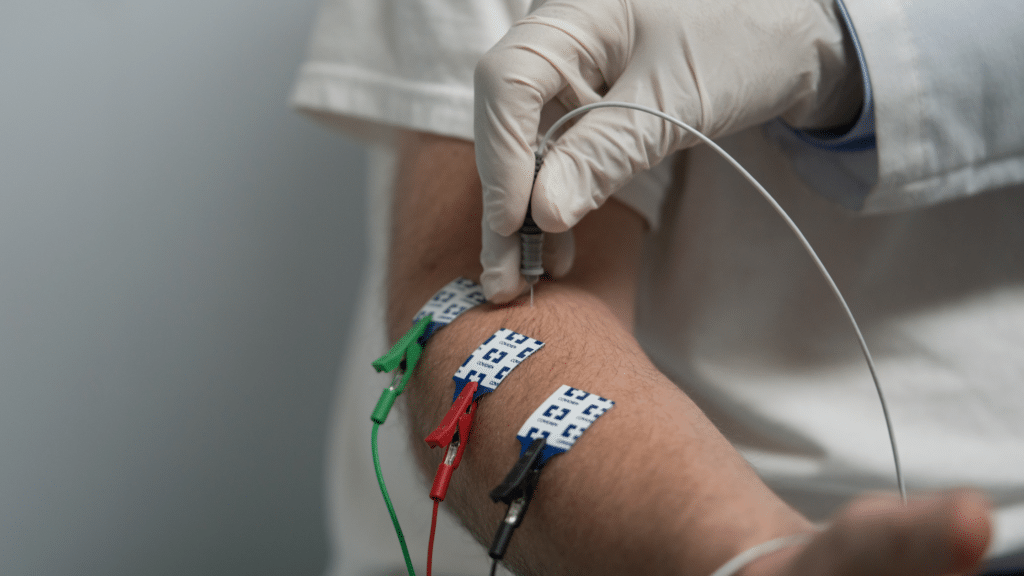
During an NCS, sensors are placed on the skin, and a small electric pulse, similar to a static shock, is applied to stimulate the nerve. This may cause the muscle to twitch. The speed, size, and consistency of the nerve’s response are recorded and analyzed. These mild electric shocks do not cause any damage.

What Happens During an EMG?

An EMG assesses the electrical activity produced by muscles at rest and during contraction, similar to an EKG for the heart muscle. A small, Teflon-coated wire pin is inserted into selected muscles. This pin picks up electrical activity from the muscle, which can be seen on a screen and heard as popping and clicking sounds when the muscle contracts. You will be asked to tighten and relax the muscle during this process.

How Do I Get the Test Results?

After the tests, the results are analyzed, and a report is sent to the doctor who ordered the tests. A negative test result indicates normal function, while a positive result reveals some degree of nerve damage (neuropathy).

Dr. Brooks typically explains the results of the test to the patient during the test. The doctor who ordered your test will receive Dr. Brooks’ report the same day your test is performed, and you will follow up with your doctor.

EMG and NCS tests provide crucial insights into the functional aspects of muscles and nerves, aiding in accurate diagnosis and effective treatment planning. Understanding the purpose, procedure, and potential outcomes of these tests can help alleviate any concerns and prepare you for the process.

How Can I Have My EMG/NCS Test Performed At Vitality Physical Medicine?

If your doctor sent your test order somewhere else, you may find that you have a several week to several month wait to have your EMG performed. If you would like to have your test performed by Dr. Brooks at Vitality Physical Medicine, we are able to offer appointments within 1-2 weeks after receiving your test order. Your doctor can fax the order to our office at 563-424-6272. Our referral form is also available for your doctor here.

Test of an EMG/NCS test being performed.

Treating Back Pain: Effective Treatment Options and Relief Strategies

Are you tired of living with constant back pain? At Vitality Physical Medicine, we understand how much it can impact your daily life, making even the simplest tasks feel like a challenge. We are here to provide you with the solutions you need to reclaim control over your life and bid farewell to discomfort. Dr. Brooks has a range of evidence-based treatment options that target the root cause of your back pain, ensuring long-lasting relief. From physical therapy and osteopathic manipulation treatments to innovative non-invasive procedures, we offer a comprehensive approach tailored to your specific needs. Additionally, we understand the importance of self-care and have compiled a list of practical strategies to manage and prevent back pain in your everyday life. Don’t let back pain dictate your life any longer. Join us on this journey towards a pain-free future.

Understanding Back Pain: Causes and Symptoms

Back pain can be caused by various factors, including muscle strains, ligament sprains, herniated discs, spinal stenosis, and arthritis. Understanding the underlying cause of your back pain is crucial to finding the most effective treatment. It is important to note that while back pain is common, it should not be ignored, as it can be a sign of an underlying medical condition. If you experience persistent or severe back pain, it is recommended to consult a healthcare professional for a proper diagnosis.

The symptoms of back pain can vary depending on the cause and severity of the condition. Common symptoms include dull or sharp pain in the lower back, muscle stiffness, limited range of motion, and radiating pain down the legs. In some cases, back pain may also be accompanied by tingling or numbness. It is essential to pay attention to these symptoms and seek appropriate treatment to prevent further discomfort and complications.

The Impact of Back Pain on Daily Life

Back pain can have a significant impact on your daily life, affecting your ability to perform simple tasks and engage in physical activities. The constant discomfort and limited mobility can make it challenging to carry out routine activities such as sitting, standing, and walking. Back pain can also disrupt your sleep, leading to fatigue and decreased productivity. Additionally, the emotional toll of chronic back pain can contribute to anxiety, depression, and a decreased quality of life. It is essential to address back pain to avoid these consequences and regain control over your daily activities.

Common Treatment Options for Back Pain

When it comes to treating back pain, there is no one-size-fits-all solution. The most suitable treatment option for you will depend on the cause and severity of your back pain. Here are some of the most common treatment options that healthcare professionals may recommend:

Physical Therapy for Back Pain Relief

Physical therapy is often a first-line treatment for back pain. A physical therapist will assess your condition and design a customized exercise program to improve flexibility, strength, and posture. These exercises can help alleviate pain, reduce inflammation, and prevent future injuries. Physical therapy may also include techniques such as manual therapy, ultrasound, and electrical stimulation to provide relief and promote healing. Attending regular physical therapy sessions and following the prescribed exercises can be instrumental in managing and preventing back pain.

Osteopathic Manipulation Treatment: A Holistic Approach

Osteopathic Manipulation Treatment (OMT) is a hands-on technique that focuses on the musculoskeletal system to alleviate pain and promote healing. Osteopathic physicians, like Dr. Brooks, use gentle pressure, stretching, and resistance to manipulate the muscles and joints in the affected area. OMT aims to restore balance and improve overall function, addressing not only the symptoms but also the underlying causes of back pain. This holistic approach can be an effective treatment option, particularly for individuals with musculoskeletal imbalances or structural issues contributing to their back pain.

Medications for Managing Back Pain

Medications can provide temporary relief from back pain, particularly in cases of acute or short-term discomfort. Over-the-counter nonsteroidal anti-inflammatory drugs (NSAIDs) such as ibuprofen and naproxen can help reduce inflammation and alleviate pain. In some cases, healthcare professionals may prescribe muscle relaxants for more severe pain. However, it is important to use these medications under the guidance of a healthcare professional and for the shortest duration possible to minimize the risk of side effects.

Lifestyle Changes to Prevent and Alleviate Back Pain

Making certain lifestyle modifications can play a significant role in preventing and alleviating back pain. Here are some practical strategies you can incorporate into your daily routine:

  • Maintain good posture: Practice proper posture while sitting, standing, and lifting heavy objects to reduce strain on your back.
  • Exercise regularly: Engage in low-impact exercises such as swimming, walking, or yoga to strengthen your back muscles and improve flexibility.
  • Maintain a healthy weight: Excess weight can put additional stress on your back, so maintaining a healthy weight can help alleviate strain.
  • Lift properly: When lifting heavy objects, use your legs instead of your back, and avoid twisting or jerking movements.
  • Use ergonomic furniture: Ensure that your workspace and furniture are ergonomically designed to support your back and promote good posture.
  • Quit smoking: Smoking can impede blood flow and hinder the healing process. Quitting smoking can improve your overall health and aid in back pain management.

Exercises and Stretches for Back Pain Relief

Incorporating specific exercises and stretches into your daily routine can help strengthen your back muscles, improve flexibility, and alleviate pain. Remember to consult with a healthcare professional, like Dr. Brooks, before starting any exercise program to ensure they are safe and suitable for your condition.

Conclusion: Finding the Right Treatment for Your Back Pain

Living with back pain can be challenging, but with the right treatment options and relief strategies, you can regain control over your life and embrace a pain-free future. Understanding the causes and symptoms of your back pain is the first step towards finding an effective solution. Whether it’s physical therapy, osteopathic manipulation treatment, medications, or alternative therapies, there are various options available to alleviate your discomfort. Additionally, incorporating lifestyle changes and specific exercises into your daily routine can help prevent future episodes of back pain.

Don’t let back pain hold you back any longer. Take the first step towards a pain-free life today. The team here at Vitality Physical Medicine is here to support you on your journey towards a healthier and happier back. Call 563-424-6400 to schedule an appointment with our pain specialist, Dr. Brooks. 

Learn more about our services and treatment options

Exploring the Benefits of OMT: Everything You Need to Know

Are you looking for a holistic approach to healing and well-being? If so, you’ve come to the right place.  In this comprehensive guide, we’ll delve into the world of Osteopathic Manipulative Treatment (OMT) and explore the multitude of benefits it offers. OMT is a hands-on treatment that focuses on the body’s structure, enabling optimal function and promoting self-healing. Whether you’re dealing with chronic pain, recovering from an injury, or simply seeking overall wellness, OMT can be a game-changer. Discover how OMT can elevate your quality of life, restore balance to your body, and unlock a new level of health and vitality.

What is OMT

Osteopathic Manipulative Treatment (OMT) is a hands-on therapy that uses various techniques to diagnose and treat musculoskeletal issues. It is based on the belief that the body’s structure and function are interconnected, and any imbalance can lead to pain, illness, and dysfunction. OMT is practiced by Doctors of Osteopathic Medicine (DOs), who use their hands to apply gentle pressure, stretching, and resistance to restore the body’s natural alignment and promote self-healing. This holistic approach addresses the underlying causes of pain and illness, providing long-term relief and improved overall well-being.

Understanding the history of OMT

OMT’s origins can be traced back to the late 19th century when Andrew Taylor Still, the founder of osteopathic medicine, developed the principles and techniques forming the basis of this therapeutic approach. Dr. Still believed in the body’s innate ability to heal itself, with the musculoskeletal system playing a crucial role in maintaining overall health. He designed manipulative techniques to restore balance (homeostasis), improve motion (biomechanics) and enhance the body’s natural healing processes. Over time, OMT has evolved into a recognized and effective form of treatment, practiced by osteopathic physicians like Dr. Joseph Brooks at Vitality Physical Medicine.

The benefits of OMT for musculoskeletal issues

If you’re suffering from musculoskeletal issues such as back pain, sports injuries, headaches, or poor posture, OMT can offer several benefits to improve your quality of life.

  • OMT for back pain relief: Gentle manipulations during OMT sessions can restore the body’s natural alignment, relieve tension, improve circulation, and increase mobility, providing effective back pain relief.
  • OMT for sports injuries: Whether it’s a sprained ankle, strained muscles, or joint pain, OMT plays a significant role in rehabilitation by reducing inflammation, improving blood flow, improving flexibility, and restoring normal function to injured tissues.
  • OMT for headaches: Focused on the neck and head OMT can release tension, improve circulation, and alleviate pain, offering relief for those suffering from migraines and headaches.
  • OMT for improving posture and flexibility: By correcting imbalances and promoting proper alignment, OMT helps strengthen weak muscles, increase range of motion, and enhance overall posture and flexibility.
  • OMT for stress and relaxation: In addition to physical benefits, OMT can reduce stress, promote relaxation, and enhance the body’s natural ability to heal, aiding anxiety relief and improved sleep quality.
  • OMT for overall wellness and prevention: Regular OMT sessions can maintain the body’s natural alignment, optimize function, and prevent musculoskeletal issues, supporting optimal health and well-being.

OMT for back pain relief

Back pain is a common ailment that affects millions of people worldwide. It can be caused by various factors, including poor posture, muscle strain, herniated discs, or underlying medical conditions. OMT can be an effective treatment option for back pain, as it focuses on restoring the body’s natural alignment and promoting optimal function.

Gentle manipulations during OMT sessions can restore the body’s natural alignment, relieve tension, improve circulation, and increase mobility, providing effective back pain relief.

OMT for sports injuries

Sports injuries are common among athletes and active individuals. Whether it’s a sprained ankle, strained muscles, or joint pain, OMT plays a significant role in rehabilitation by reducing inflammation, improving flexibility, and restoring normal function to injured tissues.

OMT for headaches

Headaches can be debilitating and significantly impact a person’s quality of life. OMT can provide relief for individuals suffering from these conditions by targeting the underlying causes and reducing the frequency and intensity of episodes. Focused on the neck, head, and facial muscles, OMT can release tension, improve circulation, and alleviate pain, offering relief for those suffering from migraines and headaches.

OMT for improving posture and flexibility

Poor posture is a common problem. It can lead to various musculoskeletal issues, including back pain, neck pain, and joint stiffness. OMT can be an effective tool for improving posture and enhancing flexibility.

During an OMT session for posture and flexibility, the practitioner will assess your body’s alignment and identify any areas of imbalance.By correcting imbalances and promoting proper alignment, OMT helps strengthen weak muscles, increase range of motion, and enhance overall posture and flexibility.

OMT for stress and relaxation

In addition to its physical benefits, OMT can also have a positive impact on mental and emotional well-being. OMT techniques can help reduce stress, promote relaxation, and enhance the body’s natural ability to heal. Regular OMT sessions can maintain the body’s natural alignment, optimize function, and prevent musculoskeletal issues, supporting optimal health and well-being.

This can help alleviate anxiety, improve sleep quality, and enhance overall feelings of well-being. OMT can be an excellent complement to other stress-reducing practices such as meditation or yoga.

OMT for overall wellness and prevention

Regular OMT sessions can maintain the body’s natural alignment, optimize function, and prevent musculoskeletal issues, supporting optimal health and well-being.

Finding an OMT practitioner near you

If you’re interested in exploring the benefits of OMT, it’s essential to find a qualified and experienced practitioner near you. Dr. Joseph Brooks at Vitality Physical Medicine has several years of experience using OMT to treat patients in Davenport, Bettendorf, and Quad Cities community. Take the first step towards your optimal well-being by scheduling an appointment at 563-424-6400.

Conclusion

Osteopathic Manipulative Treatment (OMT) provides a holistic approach to healing and well-being, addressing the body’s structure and function. From pain relief to enhanced flexibility, stress reduction to overall wellness, OMT offers a comprehensive solution for your health needs. Embrace the benefits of OMT today and unlock a healthier, more vital you. Your body will thank you.

More Resources:

You can read more about OMT here!

For other Services and Treatments we offer at Vitality Physical Medicine

 Visit our Services page.

Coming Soon